Top 10 Best Tycoon Games on PC to Play – SpinDiceWorld
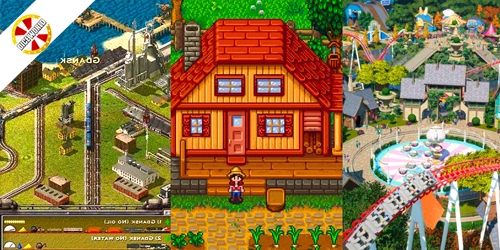
Top 10 best tycoon games on PC ranked for deep management, business simulation, and city-building gameplay with high replay value.
Table of Contents
You’ll get the best tycoon games on PC when you can plan layouts, balance staff morale, and react to shifting markets with clear KPIs and satisfying feedback. Start with classics like RollerCoaster Tycoon 2 and modern hits like Cities: Skylines, Factorio, Prison Architect, Planet Coaster, Two Point Hospital, Game Dev Tycoon, Zoo Tycoon: Ultimate Animal Collection, Stardew Valley, and The Executive. Each rewards smart scaling, upgrades, and emergent problem-solving—keep going to find the perfect fit.
What Makes the Best Tycoon Games on PC?
The best tycoon games on PC give you deep management systems that stay readable, so you can plan staffing, layouts, and progression without getting lost. They push you to juggle economic and resource strategy—production chains, pricing, and constraints—while showing clear feedback through profits, ratings, and a world that visibly reacts. You’ll keep coming back when replayability meets sandbox freedom, with varied scenarios, random events, and customization tools that make your choices matter every run.
Deep Management Systems
Because you’re not just placing buildings, the best tycoon games on PC hook you with deep management systems that make every decision ripple through the whole operation. In top tycoon games pc, you juggle layered production chains where each input feeds the next stage, so you’ll hunt bottlenecks and tune throughput. The best business simulation games pc also model shifting demand, fluctuating prices, and markets you can influence, pushing you to choose between quick wins and smart upgrades. In standout economic strategy games pc and management games pc, staff and crowds aren’t props: they’ve got needs, morale, and routines, so you’ll schedule, train, and retain. Scenarios stay fresh with escalating goals, random events, and optional limits, while modular systems scale complexity as you master them.
Economic and Resource Strategy
While you can decorate a park or skyline any way you like, the best tycoon games on PC make your economy bite back with supply, demand, and pricing that react to every expansion, shortcut, and crisis. You’ll juggle multi-stage chains—extraction, processing, and finished goods—so one bottleneck can stall everything unless you plan routes, storage, and staffing.
In city building tycoon games and other best simulation games pc, systems must scale: you automate repetitive work, delegate departments, and keep decisions meaningful as your operation grows. Clear KPIs—profit margins, throughput, satisfaction, and stock levels—tell you what’s working without hiding the math. Even classic tycoon games pc reward careful optimization, while sandbox tycoon games still push trade-offs when markets shift or disruptions hit.
Replayability and Sandbox Freedom
Once you’ve mastered the basics, replayability is what separates the best tycoon games on PC from one-and-done builds: they reshuffle starting conditions, market demand, and surprise events so you can’t just run the same “optimal” blueprint every time. You’re forced to pivot staffing, pricing, research, and layout as crises hit and customers shift, keeping each run fresh. Strong progression helps, too: unlockable tech, tougher financial targets, and reputation gates give you reasons to expand instead of endlessly tweaking the same loop. Emergent systems matter most; when economy, supply chains, visitor behavior, and staff AI interact, small choices snowball into new outcomes. Finally, tools like scenario editors, mods, and editable maps keep the top 10 best tycoon games on pc alive, while optional objectives preserve pure sandbox freedom.
Top 10 Best Tycoon Games on PC
You’re ready to rank the Top tycoon games on PC, and you’ll find each pick nails that satisfying loop of building, budgeting, and solving problems under pressure. You can start with Game Dev Tycoon and Two Point Hospital for tight progression and staff management, then shift to Planet Coaster and Zoo Tycoon: Ultimate Animal Collection for creative parks with demanding guests and animals. If you want a different kind of empire, The Executive – Movie Industry Tycoon lets you run a studio where timing, talent, and money decide your next hit.
Game Dev Tycoon
Jump into Game Dev Tycoon and steer a tiny startup from a scrappy garage operation to a full-scale studio, managing development cycles, hiring talent, and upgrading your offices as you grow. You’ll craft each project by picking genres, target platforms, and feature sets, then watch reviews and sales reflect your team’s skills and the budget you commit. Money stays tight, so you must juggle payroll, research, and marketing while keeping an eye on cash flow to dodge bankruptcy. As you progress, you gain access to new tech and tools that let you build deeper, more ambitious games and chase bigger audiences. Market shifts and periodic events shake up platform popularity, forcing smart pivots. The loop can feel repetitive later, but it’s still satisfying when you nail a hit.
Two Point Hospital
- Triage bottlenecks
- Tune staff training
- Expand strategically
Planet Coaster
Fire up your imagination with Planet Coaster, a modern theme-park tycoon that puts incredibly precise coaster-building tools in your hands, from track shaping and ride behavior to meticulous scenery placement. You’ll sculpt terrain in layers, then dress every corner with thousands of props to nail a distinct park identity, from cozy boardwalks to neon sci‑fi plazas.
You can chase goals in scenarios or relax in sandbox, but guests always keep you honest. Each visitor has needs and pathing, so smart layout, queue design, and ride throughput directly drive satisfaction and profit. When crowds bottleneck, you’ll tweak entrances, add scenery ratings, or rebalance prices to keep revenue steady. And when you want fresh inspiration, workshop sharing lets you drop in community coasters, buildings, and custom scenarios that stretch replayability for years.
Zoo Tycoon: Ultimate Animal Collection
- Build habitats with smart layouts, enriched spaces, and smooth viewing paths.
- Balance budgets by tuning ticketing, shops, staffing levels, and facility placement.
- Plan conservation by breeding responsibly, managing genetic diversity, and matching species to suitable climates.
Campaign scenarios keep you focused, while sandbox lets you experiment freely and scale big.
The Executive – Movie Industry Tycoon
Step into the producer’s chair in The Executive – Movie Industry Tycoon, where you run a full film pipeline—from development and casting to shooting and post—while keeping budgets tight and schedules on track. You’ll juggle scripts, hire talent, and lock calendars so your release date doesn’t slip and your burn rate stays sane.
To maximize box-office potential, you target genres, read audience trends, and decide when to chase a fad or build a steadier brand. You negotiate distribution deals, balance marketing spend against projected returns, and manage profit-sharing with stars and investors. Setbacks hit hard: delays, reshoots, and bad press can spike costs and tank revenue unless you plan contingencies. Nail releases and you’ll open franchises, upgrade studio facilities, and take on riskier, higher-budget projects.
Prison Architect
- Wire power and water through cramped blocks
- Script daily regimes to prevent chaos
- Respond fast when alarms cascade facility-wide
Factorio
After you’ve wrestled control of a volatile prison, Factorio hands you a different kind of pressure: building a self-sustaining industrial machine from the ground up. You mine resources, feed smelters, and stitch everything together with conveyors that turn raw ore into ever more demanding products.
You’ll spend most of your time optimizing: planning tight layouts, balancing input and output rates, and hunting bottlenecks across interconnected assembly lines. Research pushes you forward, unsealing smarter logistics like faster belts, trains, and high-throughput machines that let your factory scale exponentially. But growth has consequences—pollution draws escalating hostile attacks, so you must design defensible perimeters and automate your turrets and ammo supply. If you iterate, modularize, and refine your logistics, manual crafting fades and near-total automation takes over.
Stardew Valley
A quiet farmstead becomes your balance sheet in Stardew Valley, where you turn a rundown plot into a profitable operation through smart crop rotations, livestock care, and crafting. You plan around a tight day-and-season cycle, picking crops and upgrades that’ll pay back before the weather shifts. You diversify revenue with foraging, fishing, mining runs, and high-margin artisan goods, weighing time costs against returns. Each tool upgrade and barn expansion compounds productivity, letting you automate routines and scale output. Your relationships with villagers also matter: you earn quests, gifts, and small cooperative boosts that nudge your economy forward.
- Plot seasonal fields, water fast, harvest on schedule.
- Raise animals, process milk and eggs into artisan products.
- Mine for ore, craft gear, and reinvest in expansions.
Idol Manager
Run your own pop agency in Idol Manager, where every rehearsal, release, and PR move shapes your group’s rise—or collapse. You recruit trainees, decide who debuts, and assign roles across vocals, dance, and media. As days tick by, you balance training budgets, schedules, and contracts while chasing KPIs like chart positions, ticket sales, fan engagement, and steady income. Narrative events constantly test your judgment: push a star too hard and burnout tanks morale; mishandle a rumor and a scandal can crater reputation overnight. You’ll weigh quick gigs against long-term development, tweak each idol’s image, and manage group cohesion when personalities clash. If you adapt fast, you’ll turn setbacks into a comeback and build a lasting brand.
Cities: Skylines
- Zone smart: mix residential, commercial, and industry so jobs, noise, and land value stay aligned.
- Move people: design transit, highways, and intersections that prevent chokepoints and shorten commutes.
- Power it all: extend water, sewage, and electricity while expanding service coverage efficiently.
Jump into scenarios for focused goals, or sandbox for pure planning. Mods keep it fresh with custom assets and smarter tools.
Classic Tycoon Games That Still Hold Up
If you want tycoon games that still feel sharp today, you can’t go wrong with RollerCoaster Tycoon 2’s tight sandbox economy and endlessly tweakable park layouts. You’ll also find that Game Dev Tycoon keeps you hooked with fast research-driven progression and smart choices about what to build next. When you’re ready for tougher systems and constant curveballs, Prison Architect makes you balance budgets, staff, and inmate needs while every design decision has consequences.
RollerCoaster Tycoon 2
RollerCoaster Tycoon 2 still pulls you into that satisfying grid-based loop of plotting paths, placing scenery, and sculpting custom coasters to meet scenario objectives. You’ll tweak track pieces, banking, and pacing until the stats land just right—high excitement, manageable nausea, and queues that keep guests flowing. Scenario and random-map modes shake up your plans with different budgets, guest targets, and terrain limits, so you’re always adapting. The economy stays sharp: you set prices, pay wages, schedule maintenance, and watch spending patterns to fund the next expansion. What really keeps it alive is how much you can tailor it.
- Thread paths through crowded plazas without bottlenecks.
- Build a signature coaster, then tune its numbers.
- Grow profits with smart pricing and upkeep.
Game Dev Tycoon
Boot up Game Dev Tycoon and you’re running a scrappy software studio from day one, juggling tight budgets while you hire staff, research new tech, and ship games to stay afloat. You design each project by picking genre, audience, and features, then you watch how dev time and your team’s strengths shape reviews and sales. Monthly expenses—salaries, R&D, and engine work—keep the pressure on, so you can’t overspend on marketing or shiny tools without risking bankruptcy. As you grow, you open new development options and move into bigger offices, which lets you tackle larger games but adds complexity and higher burn. It’s a satisfying loop, though you’ll eventually notice ideal combos that make late-game choices feel predictable.
Prison Architect
Sketch out your first cell block in Prison Architect, and you’ll immediately feel how every wall, wire, and routine shapes the prison’s safety and cash flow. You’re not just placing rooms; you’re engineering behavior through sightlines, utilities, and schedules. As your population rises, you juggle hiring guards, cooks, and doctors, setting budgets, and stopping contraband before it sparks violence. You’ll chase goals that pull against each other: fund rehabilitation to lower trouble, or cut corners to expand faster and earn more. The simulation keeps you honest—one unmet need can snowball into fights, escapes, or a full riot, so you plan preventatively and react fast. Mods and updates keep replays fresh.
- Perimeter fences and patrol routes
- Programs, regimes, and parole workflows
- Power, water, and security networks
How to Choose the Right Tycoon Game for You
Start by deciding whether you’d rather shape a city’s layout and services or run a business where profits, staffing, and supply chains drive every choice. Then pick your intensity: casual tycoon games let you build and tweak with minimal pressure, while hardcore simulations demand tight optimization and constant problem-solving. Once you know where you land on those two axes, you’ll narrow the field fast and choose a game that fits your time and tolerance for micromanagement.
City Building vs Business Management
While both tycoon styles scratch the management itch, city-building and business-management games reward very different instincts. In a city-builder, you think big: zoning, roads, utilities, and resource flows that shape population growth. Success shows up in happiness, tax revenue, and infrastructure capacity, so you’ll plan supply chains that hold together for decades of in-game time. In business management, you zoom in on one enterprise and chase margins: set prices, hire and train staff, develop products, and track customer satisfaction that hits profits fast. The pace pushes quick, tactical balancing and constant iteration.
- You want macro systems and interdependencies → choose city-building.
- You want micro knobs and direct revenue pressure → choose business management.
- You prefer long arcs vs rapid cashflow decisions → pick accordingly.
Casual vs Hardcore Simulation
Often, the biggest factor in picking the right tycoon game isn’t the theme—it’s how much simulation you want to juggle. If you prefer relaxed play, casual sims streamline mechanics, teach you through guided objectives, and fit neatly into 30–60 minute sessions. You’ll make intuitive choices, chase clear scenario goals, and still enjoy satisfying build-and-profit loops without heavy micromanagement.
If you crave depth, hardcore sims push systemic complexity: staff schedules, economic optimization, realistic feedback loops, and crises that ripple through your entire operation. You’ll spend dozens (or hundreds) of hours learning intertwined systems, iterating on layouts, and planning around long-term metrics like reputation, tech trees, and balance sheets. Pick casual when you want bite-sized wins; pick hardcore when you want relentless, player-driven mastery.
Frequently Asked Questions
What Is the Best Tycoon Game Ever?
You can’t crown one “best” tycoon game ever, because you’ll value different systems. If you want a classic, play RollerCoaster Tycoon 2; for modern tools, you’ll prefer Planet Coaster’s workshop-sharing.
What's the #1 Game Right Now?
You’re looking at Planet Coaster as the #1 game right now. You’ll get unmatched coaster-building tools, huge customization, and polished park management. You can relax in sandbox or chase scenarios, and DLC keeps it fresh.
What Is the Best Business Tycoon Game?
You can’t beat Planet Coaster as the best business tycoon game: you’ll design parks, optimize pricing and staffing, keep guests happy, and iterate endlessly with powerful building tools, varied scenarios, and huge replayability.
Conclusion
You’ve seen how the best tycoon games on PC turn simple choices into thriving systems you can shape and stress-test. Whether you’re chasing classic charm or modern depth, you’ll find a game that fits how you like to plan, build, and react when things go sideways. Pick the pace you want, learn the loops, and don’t fear mistakes—they’re part of the fun. When your tiny setup becomes an empire, you’ll know you earned it.